
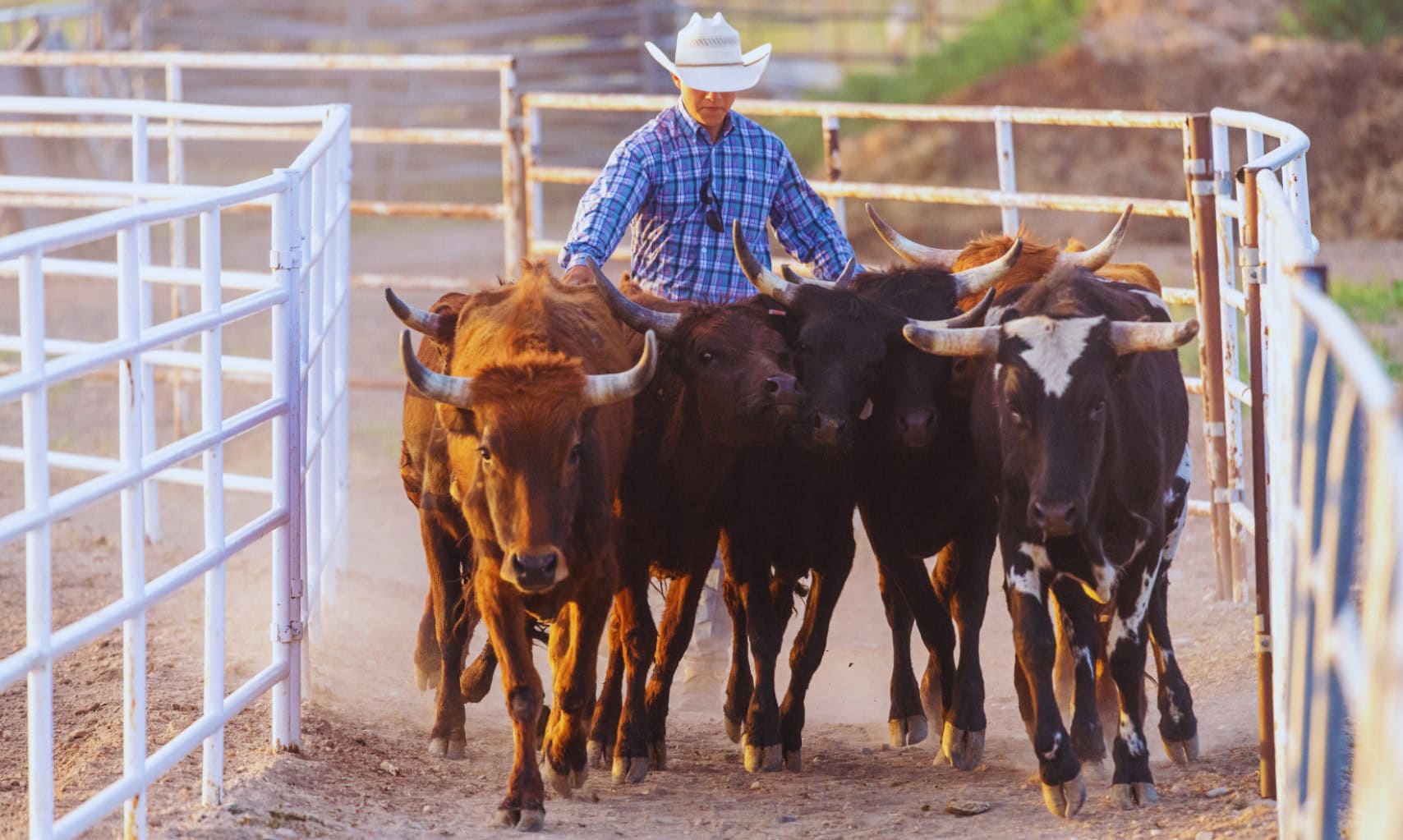
After 60 years, a pest Texas thought it had beaten is back in the herd — and the response is already reshaping how ranchers manage livestock and wildlife.
The Short Version
- The USDA confirmed the first U.S. New World screwworm case of this outbreak on June 3, 2026 — a three-week-old calf in Zavala County, Texas.
- By June 10, confirmed Texas detections had climbed to roughly five animals across Zavala, La Salle, and Gillespie Counties in South Texas and the Hill Country.
- Governor Abbott has issued disaster declarations and activated the State Emergency Operations Center; the USDA is releasing sterile flies and enforcing quarantine zones.
- Officials stress there is no threat to the meat supply or public health — but the economic stakes for Texas ranching are real.
For most Texans under the age of seventy, the New World screwworm has been a history lesson, not a working concern. The United States eradicated it in 1966 using the sterile insect technique, and an entire generation of cattlemen has run herds without ever checking a navel wound for maggots. That changed on June 3, when the USDA confirmed the parasite in a calf near La Pryor, in Zavala County — the first detection in U.S. livestock in six decades.
For anyone who owns land, runs livestock, or manages wildlife in Texas, this is worth understanding clearly and without panic. Here is where things stand, and what it means for the people who work the land.
What Happened, and How Fast
The screwworm is a parasitic blowfly whose larvae feed on the living tissue of warm-blooded animals — burrowing into open wounds as small as a tick bite or a fresh umbilical cord. The first Texas case was a three-week-old calf with larvae in its umbilical area. Inspectors found no other infested animals in the herd, and the calf was reported to be doing well.
The trouble is what followed. A second Zavala County calf was confirmed on June 5, roughly five and a half miles from the first. Within days, the USDA confirmed additional cases, including a calf in La Salle County and a goat in Gillespie County in the heart of the Hill Country. One Andrews County dog initially reported as a case was later reclassified after investigators determined the animal actually resided in New Mexico. By June 10, the running Texas total stood near five confirmed animal detections.
This is the outbreak that animal-health officials have watched march north since 2023, when cases began climbing through Central America and into Mexico. The arrival in Texas was anticipated — which is why the state was not starting from zero.
The State and Federal Response
Texas had been preparing for this since the start of the year. Governor Abbott issued a preventive statewide disaster declaration back in January, before any U.S. case existed, and the Moore Air Base sterile fly dispersal facility opened in February. In late May, the USDA’s Agricultural Research Service opened the Knipling-Bushland U.S. Livestock Insects Research Laboratory in Kerrville — the same lab where the eradication science was pioneered generations ago.
Once cases appeared, the response escalated quickly. Abbott expanded his disaster declaration to cover Zavala and Uvalde Counties, activated the State Emergency Operations Center, and joined Agriculture Secretary Brooke Rollins for a briefing at the Kerrville lab. The federal government appointed a dedicated Senior Advisor for screwworm preparedness. On the ground, the playbook is surveillance and fly trapping, quarantine zones, animal-movement restrictions, and — most importantly — the release of sterile flies.
The biology behind that last measure is elegant. A female screwworm mates only once in her life. Flood the landscape with sterile males, she mates with one, and her eggs never hatch. The U.S. eradicated the pest this way once before. The current bottleneck is volume: roughly 100 million sterile flies are being deployed weekly, while experts estimate it takes closer to 500 million per week to truly halt the spread. A converted production facility in Mexico and a new domestic plant under construction in Texas are meant to close that gap, with capacity expected to scale toward that target by 2027.
Why This Matters for Texas Land and Ranching
The screwworm is not a food-safety crisis — officials have been emphatic that the parasite does not infest meat, fruit, or vegetables, and that the supply chain is intact. It is, instead, a production and management problem, and the numbers explain the urgency. The USDA’s own modeling estimates that a contemporary Texas outbreak could cost producers more than $700 million a year and inflict $1.8 billion in total economic damage to the state. Texas runs a roughly $15 billion cattle industry, and the national herd is already at a 75-year low — a scarcity that has pushed beef prices to records and left little slack for a new shock.
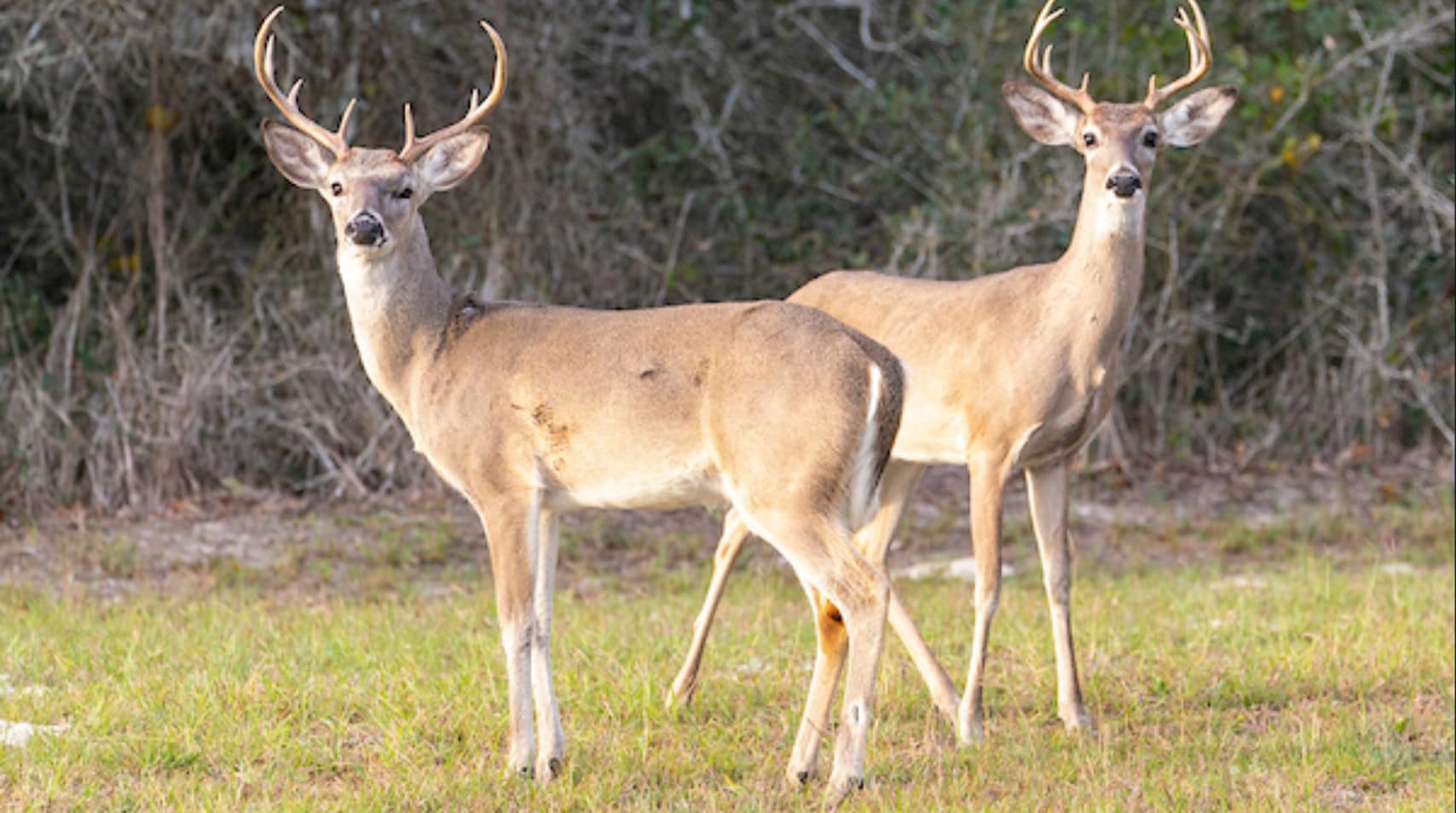
For ranch owners, the immediate cost is operational: more frequent animal inspections, prompt treatment of every wound, veterinary expense, and labor. For recreational and wildlife property owners — a core part of the Texas land market — the concern extends to deer herds and other native species, which are equally vulnerable and far harder to monitor. In a state where hunting leases and managed wildlife habitat carry real value, that is not a footnote.
The practical guidance from the Texas Animal Health Commission is straightforward: check animals daily, treat open wounds immediately, take steps to reduce fly populations, follow movement-restriction guidance, and report any suspected infestation without delay. For landowners actively buying, selling, or managing acreage, it is also worth tracking quarantine zones, since movement restrictions can affect how and when livestock change hands.
The Opportunity
Texas has done this before, and the institutional knowledge — the labs, the technique, the response teams — is still intact. The current detections sit in South Texas and the Hill Country, not the I-10 and Houston growth corridors where so much of the state’s transitional land activity is concentrated. But screwworm is a Texas-wide concern by nature, and the speed of the first week is a reminder that vigilance is the price of keeping it contained.
For the landowners we work with, the message is steady rather than alarmed: this is a manageable threat being met with a serious, well-resourced response. The ranches, recreational tracts, and working land that define Texas are not going anywhere — they simply require, as they always have, owners who stay alert to what’s happening on the ground. Andrus Land Group tracks the market signals that move land values across HAR, ABOR, NTREIS, and TRERC data, with deep roots in Texas land going back to the Old Three Hundred. When you want a real conversation about what your acreage is worth in today’s market, that’s the work we do.
Frequently Asked Questions
Is the New World screwworm in Texas right now?
Yes. The first U.S. case of the current outbreak was confirmed June 3, 2026, in Zavala County, with roughly five confirmed Texas animal detections by June 10 across Zavala, La Salle, and Gillespie Counties.
Is Texas beef still safe to eat?
Yes. Officials confirm the screwworm poses no threat to the meat supply or public health. It does not infest meat, fruit, or vegetables.
How is the screwworm being controlled?
Primarily through the Sterile Insect Technique — releasing sterile male flies to halt reproduction — alongside quarantine zones, trapping, surveillance, and animal-movement restrictions.
What should I do as a livestock or land owner?
Inspect animals daily, treat open wounds promptly, reduce fly populations, follow TAHC and USDA movement guidance, and report any suspected case to the Texas Animal Health Commission immediately.
Sources: USDA APHIS, Texas Animal Health Commission, Office of the Texas Governor, CDC, Texas Tribune, Houston Public Media, and CNBC (June 2026). Case counts and figures reflect official reporting as of June 10, 2026, and may change as the response develops. This article is informational and is not veterinary or animal-health advice.
