
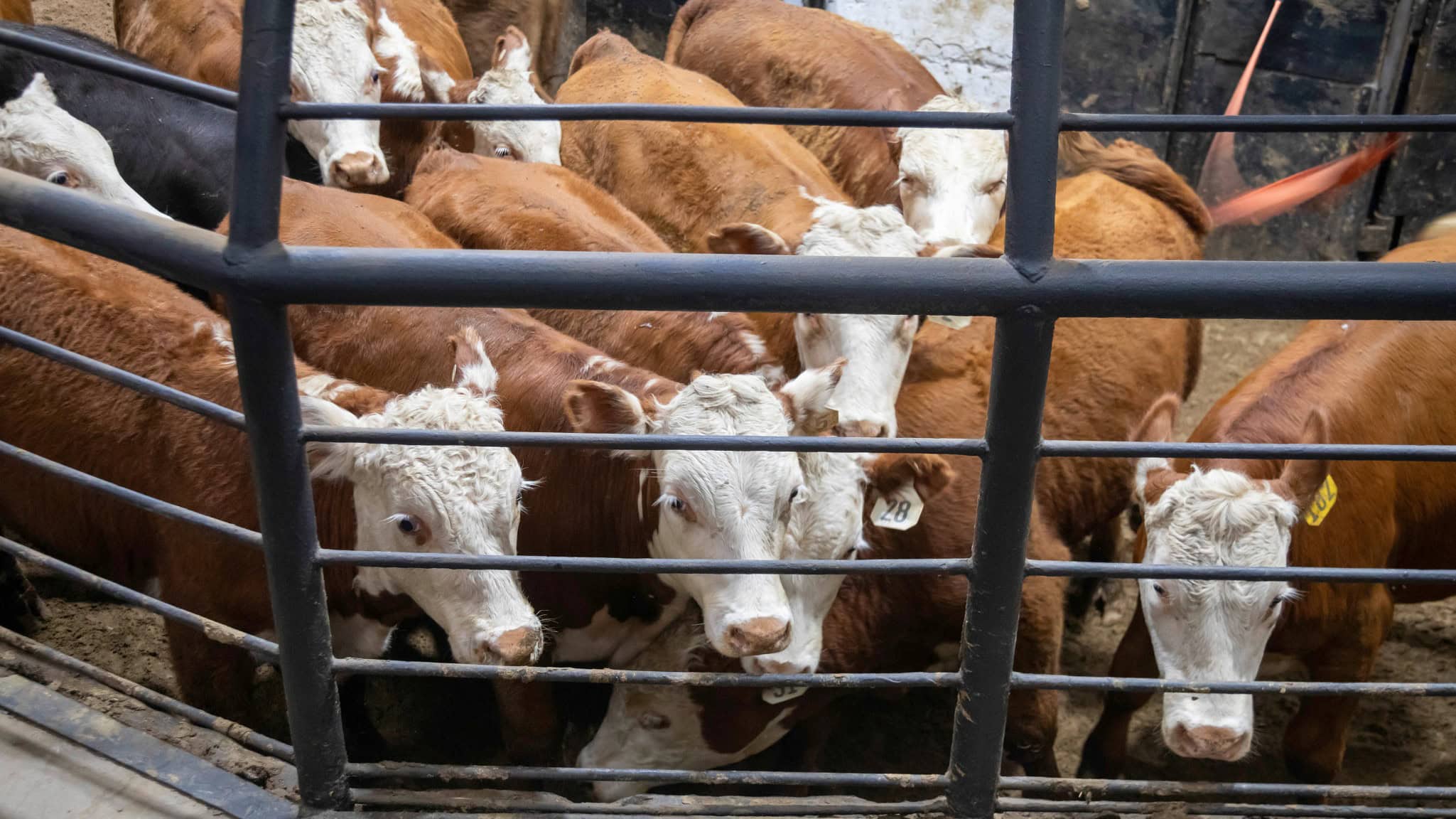
The Department of Justice’s ongoing antitrust investigation into the nation’s largest beef processors could have significant implications for Texas ranch owners, cattle producers, and agricultural land investors. As concerns grow over pricing power and competition within the U.S. beef industry, many Texas landowners are watching closely to see how these developments could influence ranch profitability, grazing demand, and long-term Texas ranch land values.
For buyers, sellers, and investors involved in Texas farm & ranch real estate, this is more than national agriculture news—it is a developing market factor that may shape land demand across Texas in the years ahead.
At Andrus Land Group, we closely monitor the economic, agricultural, and policy trends influencing Texas land values because these large-scale market shifts often impact buyer behavior and ranch pricing long before they appear in traditional market reports.
Why the DOJ Investigation Matters to Texas Ranch Owners
The DOJ investigation centers around allegations that major beef processors may have influenced cattle pricing and market competition. While the full outcome remains uncertain, the investigation has already increased conversations surrounding:
- Cattle pricing transparency
- Ranch profitability
- Beef supply chain control
- Herd expansion and contraction
- Long-term agricultural investment strategy
Texas remains one of the largest cattle-producing states in the country, making the Texas ranch market particularly sensitive to changes in the beef industry.
For owners of productive grazing land, cattle ranches, and agricultural properties, shifts in profitability can directly influence land demand and long-term ranch values.
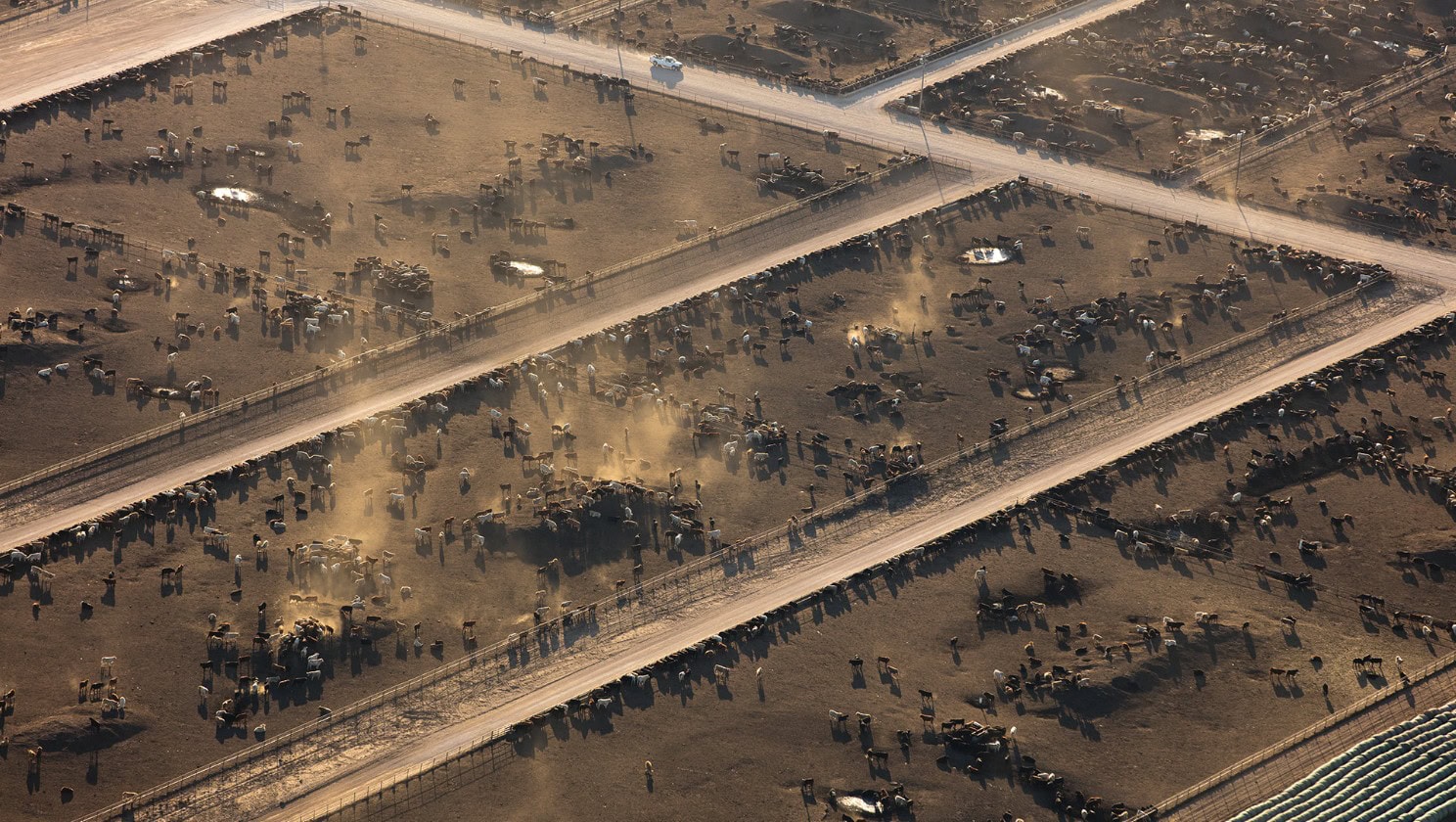
Potential Impact on Texas Ranch Land Values
Historically, strong cattle markets have supported increased demand for productive ranchland throughout Texas. When ranch profitability rises, buyers often place greater value on:
- Improved grazing properties
- Well-watered ranches
- Productive pastureland
- Larger contiguous acreage tracts
- Ranches with operational infrastructure
If ongoing market pressure affects producer profitability, some ranch owners may delay expansion plans while investors could become more selective in evaluating agricultural acquisitions.
At the same time, uncertainty in agricultural markets can also increase interest in hard assets such as Texas ranch land, particularly among long-term investors seeking stability and inflation-resistant property ownership.
Texas Ranch Buyers Are Watching Agricultural Markets Closely
Today’s Texas ranch buyers are increasingly data-driven and highly aware of broader agricultural trends.
Cattle pricing, feed costs, water availability, and federal agricultural policy are all becoming more important factors in ranch acquisition decisions.
In many areas of Texas, buyers continue pursuing:
- Recreational ranches
- Income-producing cattle operations
- Investment-grade agricultural land
- Properties near major growth corridors
- Multi-use ranch properties with long-term development potential
This continued demand reinforces the long-term appeal of well-located Texas ranch properties despite short-term market volatility.
How National Agricultural Policy Influences Local Land Markets
One of the most overlooked factors in Texas land ownership is how national agricultural policy can quietly influence local land values over time.
Federal investigations, trade policy, supply chain disruptions, and commodity pricing all play a role in shaping:
- Ranch operating costs
- Buyer confidence
- Agricultural expansion
- Long-term land investment strategy
For Texas landowners, understanding these broader market forces is becoming increasingly important when evaluating whether to buy, hold, improve, or sell ranch property.
Texas Ranch Market Outlook
While the long-term outcome of the DOJ investigation remains uncertain, the situation highlights how interconnected the cattle industry and Texas ranch market have become.
Well-located ranch properties with strong infrastructure, water resources, and productive grazing capabilities are likely to remain desirable long-term assets, particularly as Texas continues experiencing population growth and increasing pressure on rural land.
As agricultural markets evolve, buyers and investors will continue looking for properties that offer:
- Operational flexibility
- Recreational appeal
- Long-term appreciation potential
- Agricultural productivity
- Proximity to major Texas growth corridors
Frequently Asked Questions
Could the DOJ beef investigation affect Texas ranch land values?
Yes. Changes in cattle profitability and agricultural confidence can influence demand for grazing land and ranch properties throughout Texas.
Are Texas cattle ranches still considered strong investments?
Many investors continue viewing Texas ranch land as a long-term hard asset with recreational, agricultural, and appreciation potential.
What factors currently influence Texas ranch prices?
Key factors include cattle markets, water availability, location, infrastructure, grazing quality, development pressure, and overall agricultural demand.
Why are investors still buying Texas ranch land?
Many buyers see Texas ranch land as a stable long-term investment that offers privacy, recreational use, agricultural income potential, and future appreciation.
About Andrus Land Group
Andrus Land Group specializes in Texas farm & ranch real estate, ranch land valuation, recreational properties, and agricultural investment properties across Texas. Chad Andrus, Accredited Land Consultant (ALC) and two-time RLI Land Broker of the Year, provides market-driven insight designed to help buyers, sellers, and investors navigate the evolving Texas land market.
Explore available Texas ranch listings, land market reports, and Texas land insights at Andrus Land Group.
Read More
Read the full article here:
https://www.agricultureofamerica.com/2026/05/04/doj-confirms-antitrust-probe-of-big-four-meatpackers-calls-for-whistleblowers/
