
When it comes to Texas land for sale, most buyers understand the difference between surface rights and mineral rights.
But a new legal question is gaining attention—and it could significantly impact Texas ranch values, land investments, and future development potential:
Who owns the underground space left behind after minerals are removed?
A recent case highlighted by the Texas Real Estate Research Center is bringing new clarity to this issue—and smart buyers and sellers are starting to pay attention.
The Dispute: It’s Not About the Minerals—It’s About the Underground Space
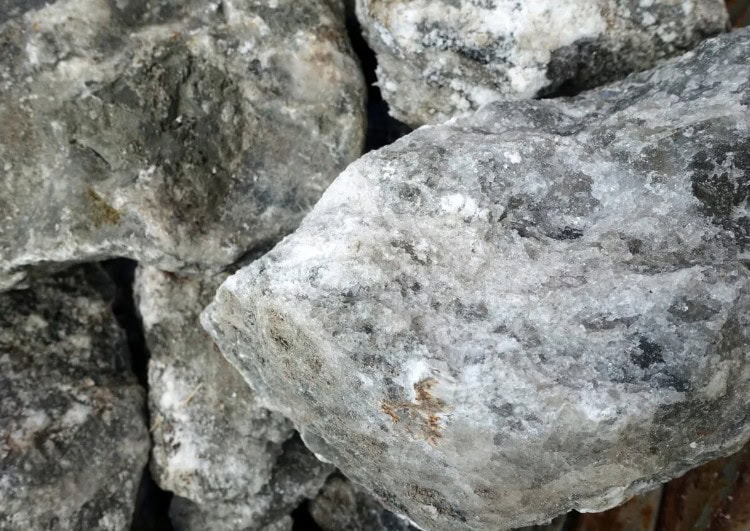
The case, covered in “A Salty Dispute: Court Takes on Underground Space,” focused on Texas salt mining operations. When salt is extracted, it leaves behind massive underground caverns.
These underground spaces are becoming increasingly valuable in today’s market, especially for:
- Energy storage in Texas
- Oil and gas storage facilities
- Carbon capture and storage (CCS) opportunities
- Long-term land investment strategies
The core legal question:
Does the empty underground cavern belong to the mineral rights owner or the surface rights owner?
The Court’s Ruling: A Major Win for Surface Owners

The court ruled that:
- Underground empty space is NOT considered a mineral
- Ownership of that space typically belongs to the surface estate owner
- This applies unless contracts or deeds explicitly state otherwise
For anyone involved in Texas farm and ranch real estate, this is a major shift.
Why This Matters for Texas Landowners, Ranch Buyers & Investors
This ruling is changing how professionals evaluate Texas land investments and ranch properties for sale.
1. Surface Rights Just Became More Valuable
Owning the surface may now include control over subsurface storage potential, adding a new layer of value to land.
2. Mineral Rights Don’t Tell the Full Story
Even if mineral rights are severed, the underground space in Texas land could still provide future income or development opportunities.
3. Texas Land Contracts Need More Detail
Expect to see contracts evolve to include:
- Underground storage rights
- Subsurface easements
- Long-term usage clauses
4. New Opportunities in Carbon Storage & Energy
With the rise of carbon capture projects in Texas and renewable energy storage, underground caverns could become a high-demand asset.
5. Long-Term Land Value Is Changing
Savvy investors are no longer just buying acreage—they’re evaluating:
- Subsurface rights
- Future utility potential
- Income-producing land opportunities
What We’re Watching in the Texas Land Market
Across Texas ranch real estate, buyers are asking smarter, more strategic questions:
- What rights convey with this property?
- Are there existing or future subsurface development opportunities?
- How will this impact resale value or long-term ROI?
This shift reinforces a key principle:
Land ownership in Texas is no longer just about surface and minerals—it’s about total property potential.
Final Thoughts: A New Era for Texas Land Ownership
As legal interpretations evolve, so does the definition of value in Texas land and ranch investments.
Understanding surface rights, mineral rights, and now underground space ownership in Texas is becoming essential for:
- Ranch buyers
- Land investors
- Developers
- Brokers and agents
This case is more than legal news—it’s a signal of where the Texas land market is heading.
🔗 Read the Full Breakdown
For a deeper dive into the legal details, read the full article from the Texas Real Estate Research Center:
