
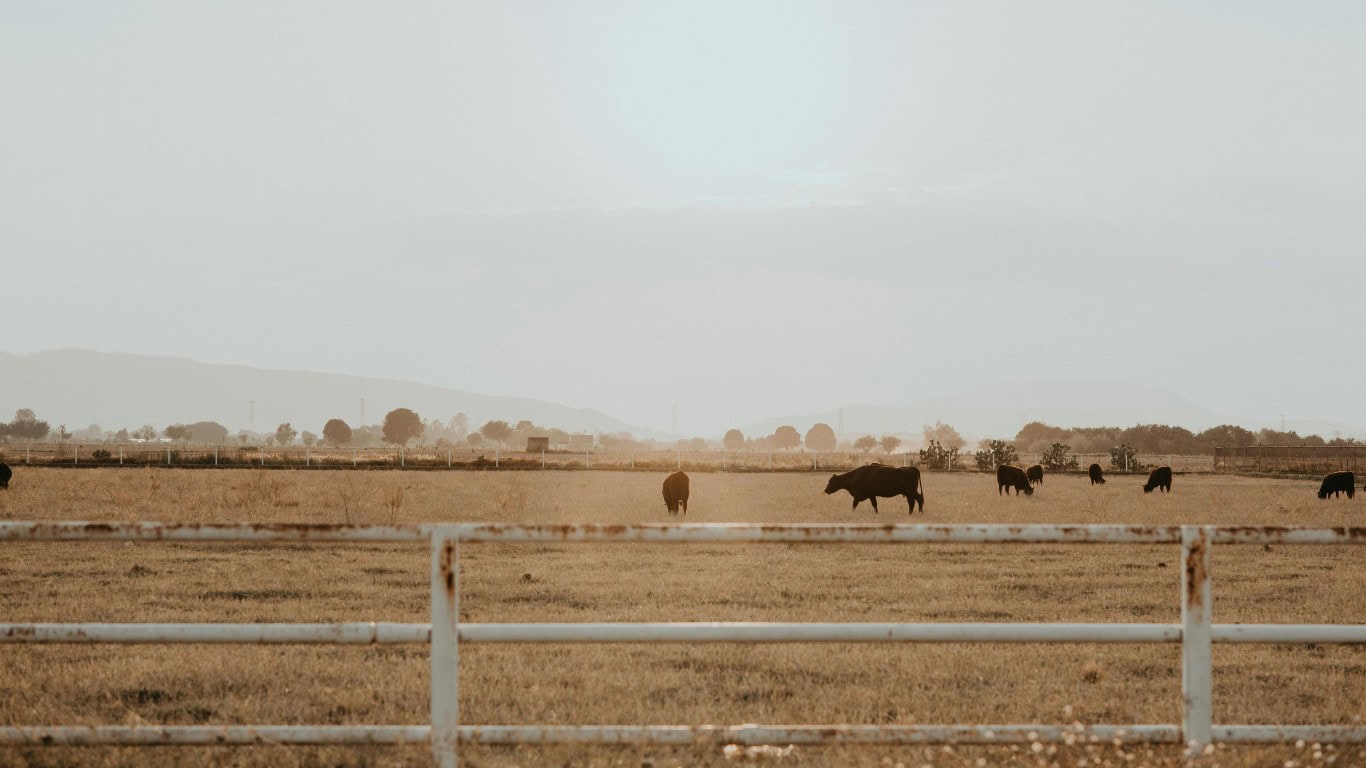
The U.S. land market closed 2025 with measured but meaningful resilience — and for Texas landowners, ranch buyers, and rural investors across the state, the underlying trends point to continued strength heading into 2026.
A new national Land Market Report from the REALTORS® Land Institute and the National Association of REALTORS® shows that despite elevated interest rates, inflationary pressure, and rising input costs, overall U.S. land sales rose 0.8% in 2025 while average per-acre pricing climbed 1.5% nationwide. The strongest-performing sectors — ranch land, industrial land, and recreational properties — closely mirror the buyer demand patterns seen across Texas land markets statewide.
The report, based on a January 2026 survey of qualified land professionals, provides one of the most comprehensive looks at how the rural land market is positioning itself heading into the new year. For anyone tracking Texas ranches, recreational acreage, agricultural ground, or transitional development tracts, the data confirms what brokers across the state have been seeing on the ground.
Ranch Land Leads the U.S. Market — and Texas Is at the Center of It
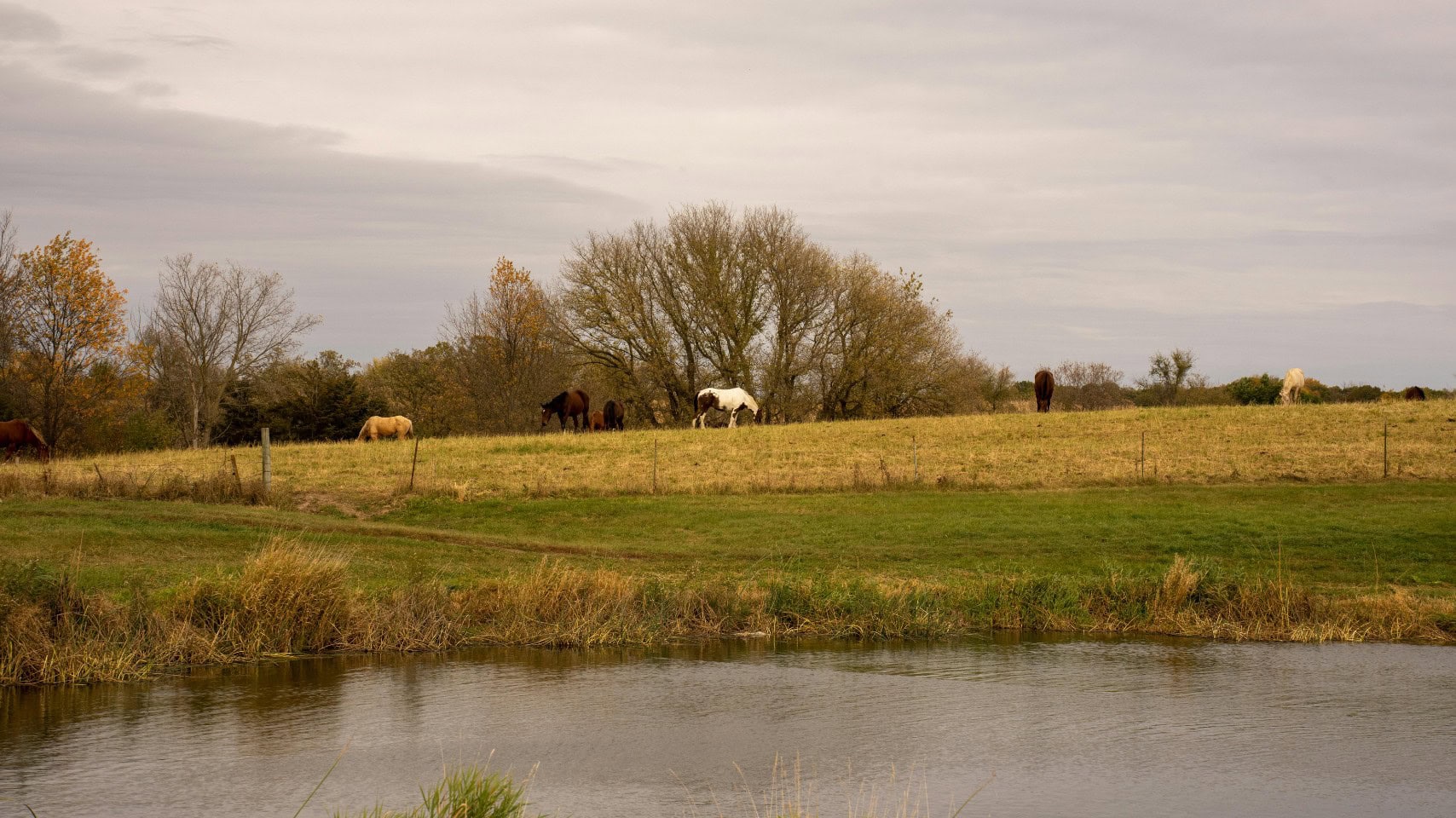
Ranch land was the single strongest-performing land category in the country in 2025, with sales volume rising 1.1% and average ranch land values appreciating 2.2% year over year. That outpaced every other major land category tracked nationally.
For Texas — the largest ranch state in the country — this matters in a real way. From the Hill Country to the Piney Woods, from the Edwards Plateau to the Rolling Plains, ranch buyer demand across Texas continues to outpace available inventory, particularly for quality tracts featuring rolling terrain, mature trees, water features, and recreational appeal. Texas ranch markets in nearly every region of the state remain active, with strong interest in legacy ranches, working cattle operations, hunting properties, and luxury acreage estates.
Recreational land and industrial land also performed well nationally, with both sectors posting 1.9% pricing growth. The recreational land trend continues to be one of the most consistent storylines in the post-2020 land market: buyers prioritizing privacy, hunting access, weekend retreats, and tangible hard-asset ownership over traditional financial-market alternatives.
Why Texas Land Demand Remains Strong
Several structural forces continue to support strong demand for Texas ranches, recreational tracts, agricultural ground, and rural acreage statewide:
- Continued migration into Texas — particularly from California, the Northeast, and other high-tax states
- Metro expansion across Texas — Houston, Austin, San Antonio, Dallas–Fort Worth, and El Paso continue pushing outward into surrounding rural counties
- The rise of remote and hybrid work — supporting weekend ranch ownership and rural lifestyle relocation
- Wine country, cultural, and tourism markets — pulling buyer attention into surrounding rural communities across the Hill Country, Brazos Valley, and other recreational regions
- Limited inventory of quality tracts — multi-generational ownership keeps top properties off the market
- Texas’s long-standing reputation — as a stable, business-friendly, and culturally distinct land ownership market
The result is a Texas land market where well-positioned, well-priced tracts continue to attract strong attention, even as overall transaction velocity has normalized from the 2020–2022 surge.
Rising Operating Costs Are Reshaping Buyer Behavior
While Texas land values have remained durable, the report notes that rising costs are starting to influence buyer decision-making, particularly across agricultural and working ranch markets. Geoff Hurdle, contributing to the national report, noted that increases in diesel, fertilizer, equipment, and production costs are causing buyers to evaluate land purchases more carefully than they did during the rapid-appreciation period of recent years.
This trend is showing up in Texas land transactions in two ways. First, buyers are becoming more discerning — pricing must be defensible based on real comparable sales, infrastructure, productivity, and recreational value. Second, properties offering operational efficiency, established improvements, and turnkey usability are commanding stronger interest than raw working ground requiring significant capital investment to make functional.
For sellers, the message is straightforward: well-improved Texas properties with usable infrastructure, water features, fencing, and quality access continue to outperform comparable tracts that lack functional readiness.
Development Pressure Continues to Reshape Texas Land Markets
One of the most important findings in the national report is the continued strength of land demand across Southern and Southeastern states. Several southern regions posted land sales growth between 1% and nearly 4%, driven by:
- Population migration
- Residential development
- Infrastructure expansion
- Industrial and logistics growth
- Energy and data center development
The Southeast emerged as one of the nation’s fastest-growing land sectors, with residential land accounting for nearly half of all transactions in some markets. Texas sits squarely in the middle of these trends. As major metros across the state continue expanding outward, demand for transitional and development land in surrounding rural counties has accelerated.
From the Houston, Austin, San Antonio, and Dallas–Fort Worth corridors to growth pressure surrounding smaller Texas metros, landowners holding acreage in the path of growth are increasingly evaluating whether to continue agricultural use, transition to recreational ranching, or position property for future development. Highest-and-best-use analysis has become a critical part of land strategy in many regions of the state.
Agricultural Land Stabilizes — Recreational and Ranch Land Lead
Data from Acres shows national land values stabilized near $7,200 per acre by the end of 2025. Several broader national themes from the report are worth highlighting:
- Midwestern cropland values remain above pre-2020 levels
- California farmland continues to anchor the highest national price tier
- Western landowners continue navigating water regulation, tariffs, and permanent crop oversupply
- Recreational and development land continue outperforming traditional agricultural categories
- Non-irrigated agricultural land posted the slowest price growth nationally, at 0.8%
For Texas, the takeaway is consistent with what brokers have observed across the state’s rural markets: recreational ranches, transitional development tracts, and quality acreage estates continue to lead pricing performance, while non-irrigated dryland operations face tighter margin pressure and slower appreciation.
What This Means for Texas Landowners and Land Buyers
For Texas landowners considering selling, and Texas land buyers entering the 2026 market, several themes are clear:
- Quality Texas land remains in limited supply
- Recreational land demand continues to support pricing
- Development pressure continues expanding outward from Texas’s major metros
- Ranch land remains one of the strongest-performing land categories in the country
- Buyers are more selective and value-conscious than they were two years ago
- Water access, road frontage, and infrastructure are increasing in importance
- Pricing strategy and market positioning matter more than they have in years
The Texas land market is no longer a market where any property listed at any price moves in 30 days. It is a market that rewards proper preparation, accurate pricing, strong marketing, and a clear understanding of buyer motivation across each segment — from luxury ranch estates and recreational tracts to transitional development land, agricultural operations, and legacy family ranches.
The Long-Term View on Texas Land Ownership
Although appreciation has moderated from the rapid gains of the 2020–2022 surge, the broader U.S. land market — and the Texas land market in particular — continues to demonstrate long-term stability. Land remains one of the most reliable hard assets available, with structural demand drivers that show no sign of weakening.
Whether the focus is a working ranch, a recreational retreat, a luxury acreage estate, an agricultural investment, or a transitional development tract in the path of metro expansion, Texas land continues to perform as a long-term store of value. As development, agriculture, energy, recreation, conservation, and infrastructure increasingly compete for the same acreage, understanding land positioning, market timing, and highest-and-best-use strategy has never been more important.
For landowners considering selling, accurately reading local Texas market conditions, buyer demand patterns, infrastructure trends, and regional pricing dynamics remains the single most important factor in maximizing value. For buyers, the next 12 to 18 months will continue rewarding those who move decisively on quality tracts when they reach the market — because in this Texas land cycle, the best properties continue to be the first to go.
