
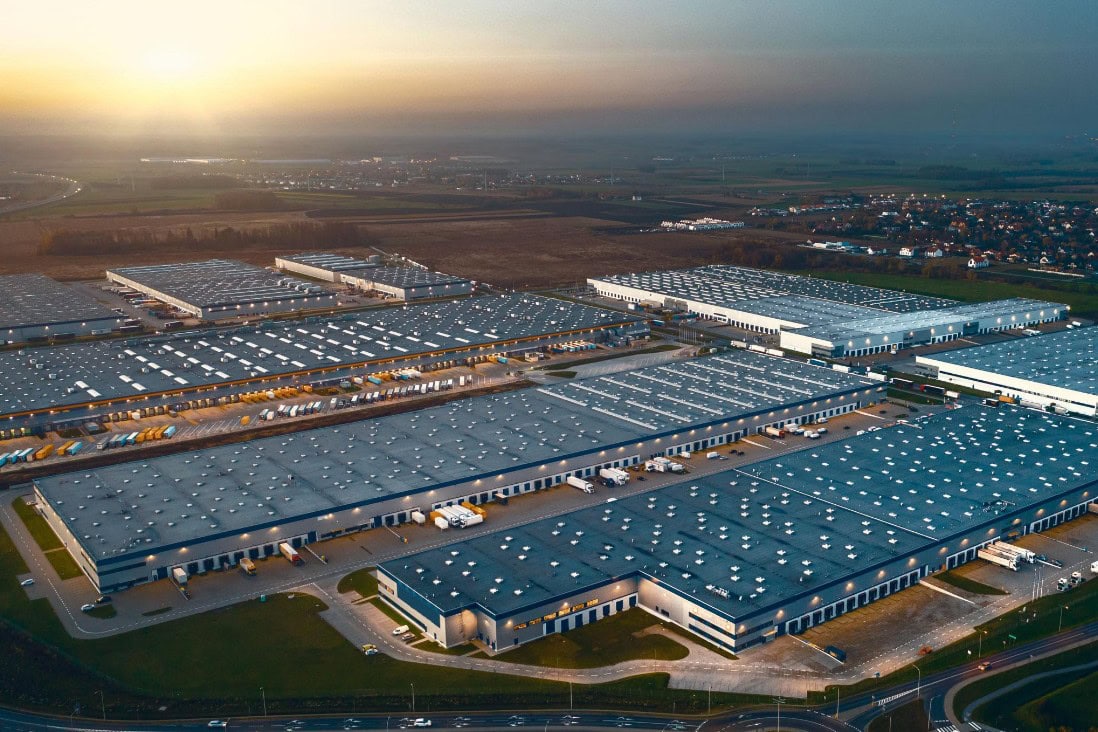
For the first time in Texas, a county has formally tapped the brakes on the most aggressive land buyer in the state. On Tuesday, May 12, Hill County commissioners voted 3-2 to impose a one-year moratorium on new data center construction in unincorporated areas of the county. The vote is local. The implications are statewide — and every Texas landowner with acreage in a growth corridor should be paying attention.
What Hill County Actually Did
Hill County sits roughly 55 miles south of Fort Worth, anchored by Hillsboro at the junction of I-35E and I-35W. It is exactly the kind of rural Texas county that has quietly become a prime target for hyperscale data center developers: open ground, cheap power access, no zoning, and ag-exempt parcels ready to trade hands.
The moratorium was triggered by a proposed 300-acre development from Dallas-based Provident Data Centers in north Hillsboro. Residents raised concerns about noise, water consumption, and grid pressure. County leadership took the unusual step of saying out loud what many rural county judges have been thinking — they don’t have the staff, the regulations, or the runway to evaluate what’s hitting them.
County Judge Shane Brassell described it as a “land rush.” That phrase belongs on every Texas land broker’s desk this year.
The Bigger Picture: Texas Is Ground Zero for the Rural Data Center Boom
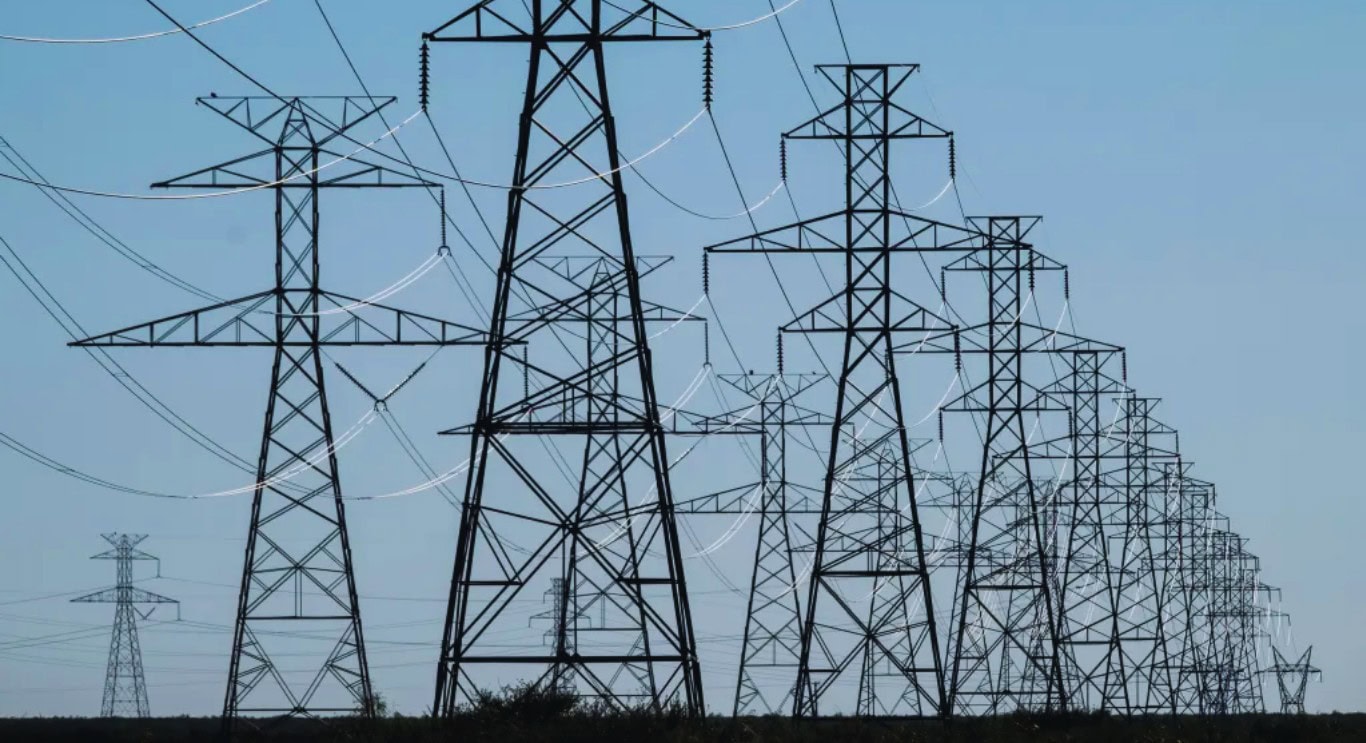
Hill County didn’t act in isolation. The numbers behind the decision frame why this conversation is escalating across the state:
- Texas has 170 planned data centers — second only to Virginia — on top of 296 already operating.
- Nationally, 67% of planned U.S. data centers are slated for rural areas, even though 87% of existing facilities sit in urban markets.
- Central Texas alone has more than 30 active data center projects underway across Bexar, Comal, Hays, Travis, Caldwell, and Williamson counties.
- Entities tied to Amazon recently acquired at least 1,300 acres in Bastrop County in one of the largest Central Texas hyperscale land plays to date.
- Texas is projected to grant data center operators $1.3 billion in tax exemptions in 2026.
Translation: the buyers showing up at the gate aren’t weekend ranchers or 1031 exchange investors anymore. They are sovereign-scale infrastructure players writing checks that few traditional rural buyers can match. The industry has shifted its siting question from “How close is the fiber?” to “How fast can I get power, and how much more can I grow from there?” Open Texas acreage with grid proximity has become a strategic asset class.
Why Hill County’s Vote Matters Even If You Don’t Own Land There
The moratorium is a one-year pause in a single county. The market signal is much larger. Three things changed on Tuesday.
1. Rural Texas counties are now actively considering pushback.
Hood County and Hays County have both explored similar measures. Houston-area State Senator Paul Bettencourt has already asked the Attorney General’s office to weigh in on whether counties have the authority to slow these projects at all. Hill County effectively dared the state to clarify the rules. Whichever way Austin lands on that question, the regulatory ground beneath data center development in Texas just got less certain — and uncertainty changes deal pricing.
2. Off-market land deals are now a public issue.
Judge Brassell openly said he only knows about pending Hill County data center projects through word-of-mouth from farmers who have already sold their land. That is how this market has functioned across rural Texas for the past 24 months — quiet acquisitions, NDAs, and aggregated parcels assembled before anyone outside a tight circle knows what’s being built. Expect more rural counties to start demanding disclosure. Expect developers to accelerate timelines in response.
3. The “ag-exempt parcel + transmission line” combination is the new luxury comp.
In parts of Bexar, Hays, and Milam counties, land flagged for data center development has traded at multiples of its agricultural value. That distortion is now pulling up surrounding comps — including parcels that have nothing to do with hyperscale buyers. If you own acreage in a county that’s been touched by data center interest, your land value conversation has fundamentally changed.
What This Means for Texas Landowners Right Now

Andrus Land Group works primarily in Houston’s growth corridors, Austin County, Waller County, Chambers County, and ranching markets across Texas. We are watching this trend move toward our footprint quickly. Here is how we’re framing it for clients on both sides of the deal.
If You’re Considering Selling Rural Texas Land
Don’t take the first phone call. The off-market buyer who arrives unannounced with an attractive offer is almost never paying full strategic value. Land that’s grid-adjacent, road-fronted, and water-accessible is a different asset today than it was 18 months ago. A proper valuation requires understanding three pricing layers: agricultural comps, recreational and ranch comps, and infrastructure-driven strategic comps. Most rural appraisals still only address the first two.
The Hill County moratorium also creates a real risk for sellers: in counties that move toward regulation, exit windows for hyperscale buyers can close fast. Timing matters.
If You’re Buying a Texas Ranch or Recreational Property
Privacy is becoming a premium feature in a way it wasn’t five years ago. Buyers who lock in turnkey ranch properties with rolling terrain, mature live oak trees, working improvements, and genuine seclusion are insulating themselves from a trend they cannot reverse — the industrialization of formerly quiet rural counties. Properties an hour west of Houston, in Austin County or northern Waller County, still offer the country lifestyle that’s getting harder to replicate inside the Central Texas corridor. That scarcity gap is widening.
If You Own a Multi-Generational Ranch
The Hill County conversation is going to repeat itself in Hood, Hays, Milam, Bastrop, Comal, and eventually the I-10 corridor counties. Legacy ranches in those areas are sitting on top of a pricing event most owners have not been positioned to evaluate. Whether the right move is to hold, to sell, or to carve off a strategic parcel while keeping the homestead intact, that decision should be made with current market data — not from the same valuation framework that worked in 2020.
The Texas Land Market Outlook
Hill County’s vote is the start of a regulatory pendulum, not the end of the data center buildout. The capital flowing toward Texas land is too large, the AI infrastructure demand is too aggressive, and the state’s power and permitting advantages are too significant for a single county moratorium to reverse the trend. Rural markets aren’t winning because they’re cheaper — they’re winning because they may be among the last places where land, power, and permitting can still be aligned on a timeline that matches AI demand.
What’s changing is the pace of price discovery. The off-market era of rural Texas land sales is ending. The era of informed, market-intelligent transactions — where landowners understand the full strategic value of what they own before they sell — is starting now.
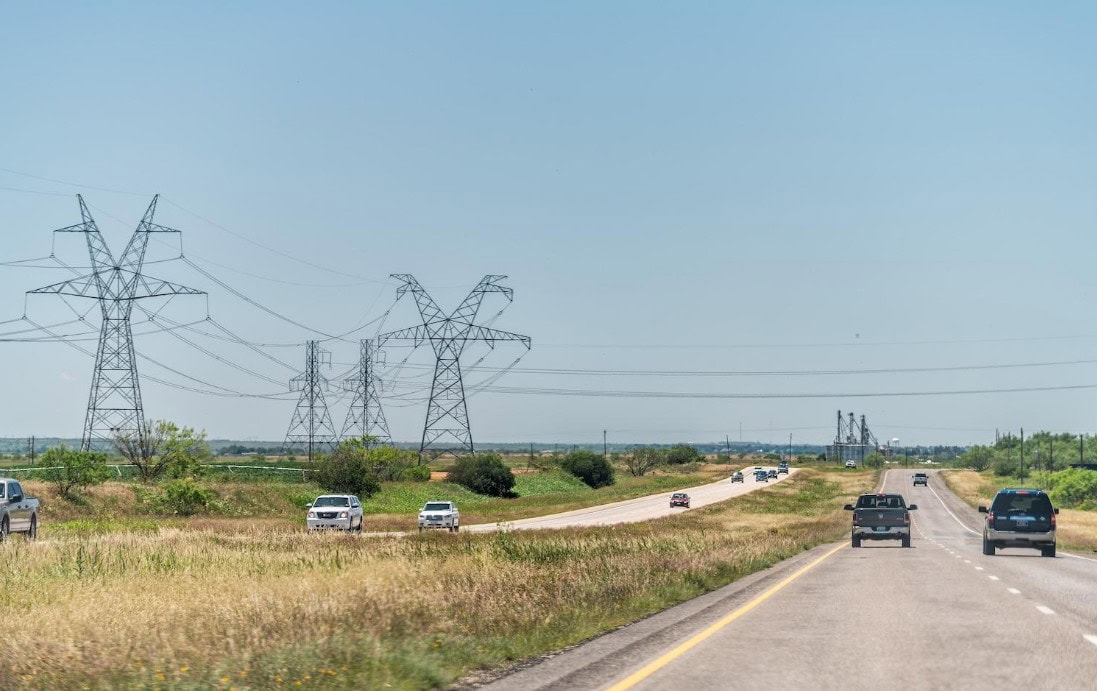
The Opportunity
For Texas landowners with acreage in or near a growth corridor, the next 12 to 24 months are the most consequential pricing window since the post-2020 rural land surge. For ranch buyers, scarcity is sharpening. For investors, the gap between transactional value and strategic value has never been wider — and the right broker is the one who understands all three pricing layers, not just the comps that show up in a standard CMA.
Andrus Land Group tracks these shifts daily across statewide data we have access to, with deep roots in Texas land going back to the Old Three Hundred. If you own land in a Texas growth county and want a real valuation conversation — or if you’re looking for a turnkey ranch in a market where privacy still exists — that’s the work we do.
